Sparkling Homes, Empty Bins: Make-Your-Own Zero-Waste Cleaners

Welcome, makers and mess-tamers! Today we dive into DIY recipes for zero-waste cleaning products, bringing together science-backed simplicity, pantry staples, and joyful routines that reduce plastic, save money, and still deliver a bright, healthy shine. Expect practical formulas, honest safety talk, and clever reuse habits that transform everyday cleaning into a lighter, kinder ritual you’ll actually look forward to doing.

Vinegar Infusions with Citrus Peels

Turn saved orange, lemon, or grapefruit peels into a fragrant, effective cleaner by steeping them in white vinegar for two weeks, then diluting one-to-one with water. The mild acetic acid cuts mineral residue and everyday grime. Avoid natural stone like marble or granite, use on sealed surfaces, allow a few minutes of contact time, and enjoy the uplifting aroma powered by real citrus oils.

Baking Soda Scouring Paste

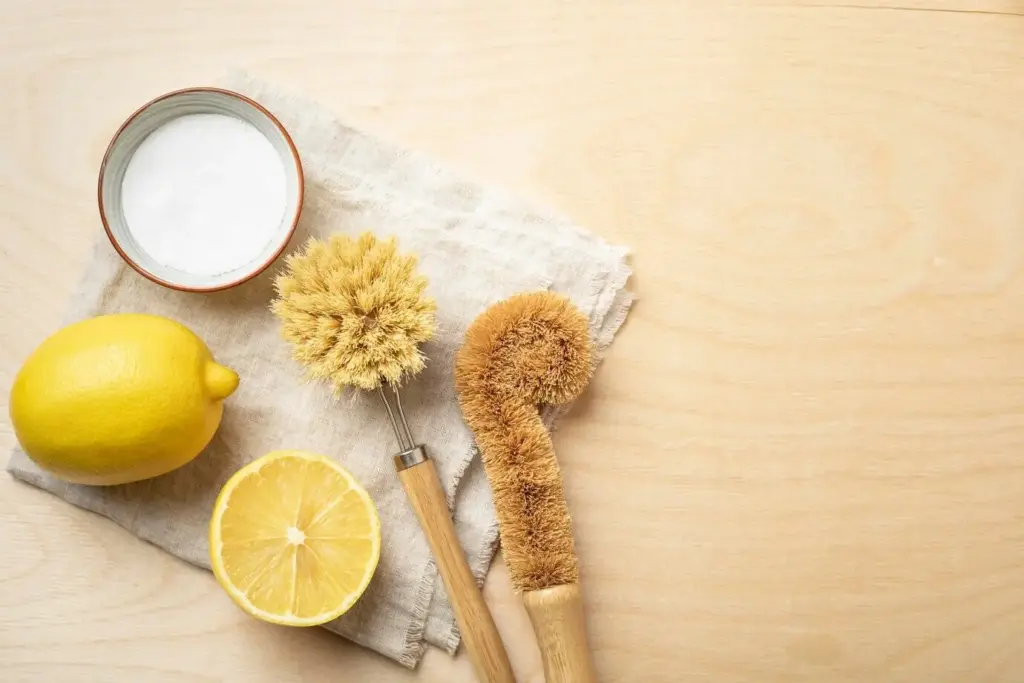
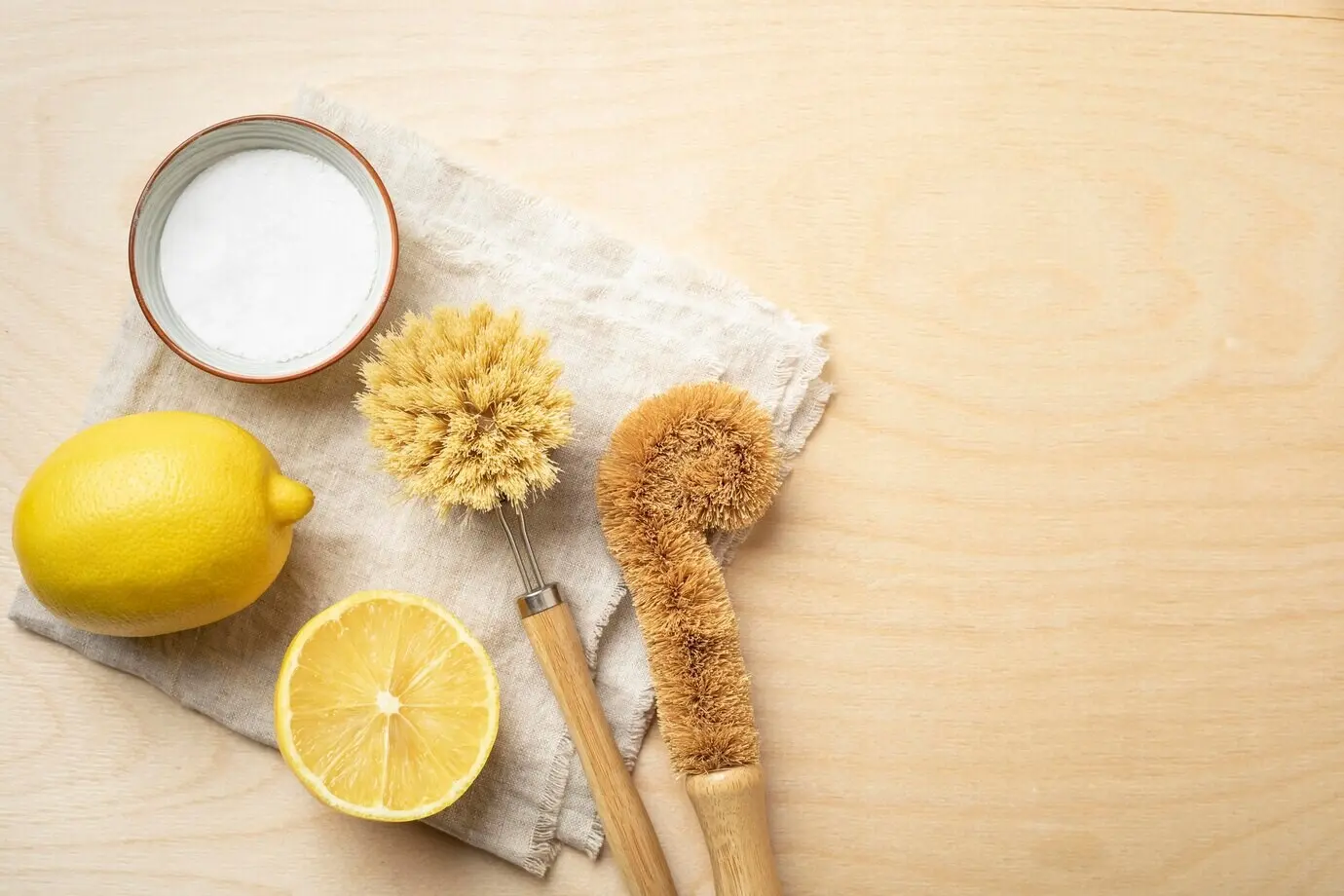
Mix baking soda with a drizzle of water or castile soap to form a gentle, non-scratch paste that lifts stuck-on food, soap scum, and lingering odors. Add a pinch of fine salt for extra bite on enamel or stainless steel. Rinse thoroughly to prevent residue, and keep a small jar beside the sink for a quick, zero-waste scrub whenever stubborn spots appear.

Castile Soap Concentrate for Versatile Cleaning

A small bottle of castile soap becomes a housewide workhorse when diluted correctly. Start with one to two teaspoons per quart of warm water for counters, floors, and walls. In very hard water, reduce concentration or follow with a quick citric acid rinse to avoid film. Add a few drops of essential oils only if needed, and label strengths to keep usage consistent.

Room-by-Room Cleaning Without the Waste

A single toolkit can conquer kitchens, bathrooms, and laundry without disposable wipes, plastic jugs, or clutter. We will match proven recipes to each space, balancing degreasing, descaling, deodorizing, and fabric care. With thoughtful containers, measured contact times, and simple techniques, you can clean faster, with healthier air, fewer trips to the store, and a lighter footprint from cupboard to compost bin.

Containers, Tools, and Refill Habits

Great recipes deserve smart vessels. Durable bottles, clear labels, and reusable cloths make routines smoother and safer. Reusing what you have first is ideal, followed by investing in long-lasting tools that feel good to hold. With a weekly refill rhythm and community swaps for jars and sprayers, you will prevent clutter, reduce confusion, and build a satisfying, low-waste system that actually sticks.

Bottles That Last and Protect Ingredients

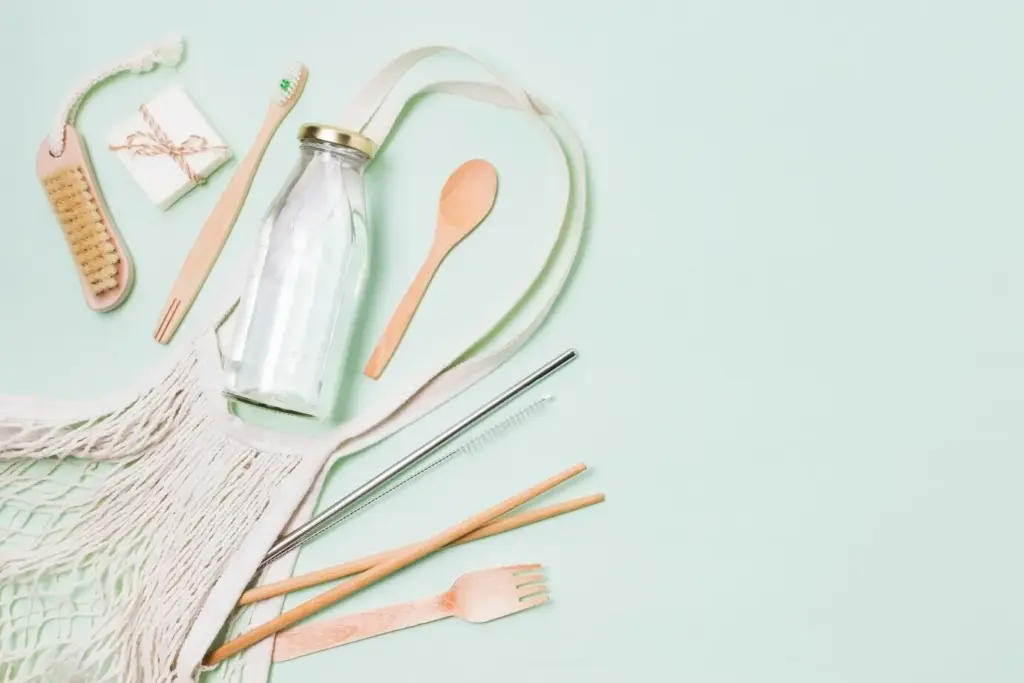
Choose glass or sturdy metal spray bottles with replaceable triggers, especially for acidic formulas. Amber or cobalt containers reduce light exposure for citrus infusions and hydrogen peroxide. Add silicone sleeves for grip and impact protection. Always label the contents, dilution ratio, and date. Keep acids and peroxides in separate, vented bottles, away from children and heat, and store upright to preserve gaskets and seals.

Reusable Tools That Do the Heavy Lifting

Stock a small set of microfiber cloths, an old toothbrush for crevices, a plant-fiber scrub brush, and a squeegee for showers and windows. Wash cloths in warm water without fabric softener to maintain absorbency. Keep separate colors for kitchen and bathroom, and hang tools to dry quickly. This simple kit replaces rolls of paper towels, freeing space and reducing ongoing costs significantly over time.
Refill Stations and Community Sharing

Designate a shelf or basket as your refill station, storing concentrates, empty jars, funnels, and labels together. Track low supplies on a chalkboard or phone note before shopping. Explore local refill stores for castile soap and washing soda, and host a neighborhood swap for surplus jars and citrus peels. Share successes and questions in the comments, building a friendly circle that keeps waste truly low.

Safety, Efficacy, and Eco-Logic

Cleaning removes soil; disinfecting inactivates microbes. Knowing the difference prevents overuse of harsh agents and unnecessary packaging. We will emphasize correct contact times, compatible surfaces, and ventilation, while examining pet safety, essential oil sensitivities, and responsible disposal. With a few guardrails, home blends remain effective, gentle on lungs, and aligned with the goal of minimizing environmental impact throughout your daily routine.
For everyday surfaces, soap and water plus elbow grease is often enough. When you truly need disinfection, use 3% hydrogen peroxide or 70% isopropyl alcohol, applied to a visibly clean surface and left for the manufacturer-recommended contact time. Never mix peroxide and vinegar in the same bottle, and never combine acids with bleach. Label strongly, ventilate, and reserve disinfectants for high-risk situations, not daily wiping.
If sensitive to scents, skip essential oils entirely; clean air smells like nothing. Tea tree and many oils can be unsafe for cats and small pets, so store blends securely and wipe surfaces thoroughly. Wear gloves when handling washing soda or strong acids, and rinse food-contact areas carefully. Patch test on small spots, and remember that simplified formulas reduce allergens, mystery additives, and unnecessary respiratory irritation significantly.
Mineral-rich water leaves films that mimic poor cleaning. Combat this by using distilled water in glass cleaner, following soap applications with a citric acid rinse, and finishing with a dry microfiber buff. Keep dilutions modest to reduce leftover surfactants. Descale showerheads monthly by soaking in warm citric acid. These small tweaks protect finishes, maintain sparkle, and spare you from chasing false fixes or buying extra products.

Costs, Time, and Motivation

Low waste should also feel low effort. By batching refills, tracking favorite ratios, and storing tools where you actually use them, you save minutes every day and avoid decision fatigue. Upfront ingredient costs stretch across months, making each bottle shockingly cheap. Celebrate small wins, invite family to help, and share your victories with our community so momentum keeps building without guilt or perfectionism.

Troubleshooting and Myth-Busting

Mistakes happen, and that is where learning sticks. We will tackle streaks, sour laundry, and stubborn scum with sequence, contact time, and water chemistry know-how. We will also debunk flashy hacks that waste ingredients or risk surfaces. With simple diagnostics, you can correct quickly, document what worked, and keep your zero-waste cleaning humming along with calm confidence and fewer surprises each week.

Streaky Glass, Mirrors, and Shiny Steel

Use distilled water, a small dose of soap-free cleaner, and two cloths: one damp for the initial wipe, one dry for the buff. Work top to bottom with overlapping passes. Change cloths when they feel damp or grimy. Avoid cleaning in direct sunlight, and skip oils on glass. If streaks persist, reduce concentration and confirm cloths were washed without fabric softener to restore their absorbency.

Sour Laundry and Lingering Odors

Odors often signal buildup, not under-cleaning. Run a hot maintenance cycle with washing soda, clean the gasket and detergent drawer, and ensure proper drying between loads. Use less detergent in soft water and a little more in hard water. Pre-treat with an enzyme soak for protein stains, then wash normally. Dry thoroughly, and leave the door ajar to keep moisture from feeding future smells.

Soap Scum and Mineral Buildup Strategy

Soap scum forms when soap meets minerals, creating a sticky film. First loosen grime with a light soap wash, rinse, then follow with citric acid to dissolve mineral bonds. Finish with a thorough rinse and squeegee. Switching to a synthetic surfactant sometimes helps on extremely hard water, but thoughtful sequencing usually wins. Keep a scheduled wipe-down routine to prevent the film from resetting stubbornly.
Lutakorifexirizikaza
Privacy Overview

This website uses cookies so that we can provide you with the best user experience possible. Cookie information is stored in your browser and performs functions such as recognising you when you return to our website and helping our team to understand which sections of the website you find most interesting and useful.