Live Light: Everyday Comfort Without the Packaging
Join us as we dive into Packaging-Free Home Essentials, exploring simple, satisfying swaps that cut clutter and reduce waste while keeping performance high. Discover bulk refills, durable tools, and mindful habits, supported by real anecdotes, practical checklists, and transparent criteria to help you choose confidently today.
Start Here: Setting Up a Low-Waste Sink

Soap That Skips the Bottle
Solid dish soap and concentrated paste can clean efficiently without plastic, if you manage drainage and choose a formula matched to your water hardness. We compare surfactants, share rack placement tricks, and explain how to avoid soggy edges and sticky residue on counters.
Refill Routines That Actually Stick
Refill stations work best when containers are labeled clearly, weighed consistently, and cleaned on a recurring rhythm you can keep. Learn jar sizes, tare habits, travel-friendly caps, and calendar cues that make refilling feel satisfying, quick, and almost impossible to forget.
Tools That Last and Age Gracefully
Choose scrubbers with replaceable heads, rust-resistant metal handles, and compostable fibers that stay firm in hot water. We outline repair tricks, storage to dry quickly, and end-of-life options, so every tool works hard, looks handsome, and avoids unnecessary packaging forever.
Laundry, Reimagined for Fewer Empties
From powders in tins to concentrated strips, laundry can be surprisingly light on packaging without sacrificing cleanliness. We cover measuring accurately, preventing residue, optimizing cold cycles, and choosing machines settings, plus anecdotes about line-drying rituals that save energy and make fabrics last longer.
Powders, Strips, and Soap Nuts Compared
We detail cleaning power, wastewater impacts, and storage for powders, dissolvable sheets, and whole soap nuts. Understand how agitation, water hardness, and fabric types interact, so you can pick options that travel well, minimize microplastics, and avoid bulky bottles cluttering shelves.
Stain Strategy Without Plastic
Grease, wine, berry, and grass respond to time-tested methods that skip single-use packaging. Pre-treat with concentrated bars, use cold soaks intelligently, and reserve oxygen boosters for tough cases, logging results in a simple notebook that prevents repeated mistakes and wasted effort.
Choosing Containers That Work Hard
Glass jars with wide mouths handle grains, beans, and snacks, while lightweight stainless tins shine for picnics and travel. We compare lids, gaskets, stacking stability, and dishwasher safety, balancing durability against weight so your system feels practical, affordable, and quietly beautiful every day.
Labeling That Prevents Waste
Clear labels with dates and cooking ratios keep staples moving before they go stale. Try grease pencils, removable tape, or etched lids, paired with a simple weekly inventory ritual that curbs duplicates, directs meal planning, and avoids mysterious jars hiding in the back.
Food Safety Without Disposables
Manage moisture by venting produce, using breathable bags, and switching lids after cooling hot soups. We cover thawing timelines, cross-contamination safeguards, and quick sanitizer recipes, so you keep meals safe, delicious, and entirely free from disposable wraps or single-use plastic crutches.

Bathroom Calm, Clutter Gone
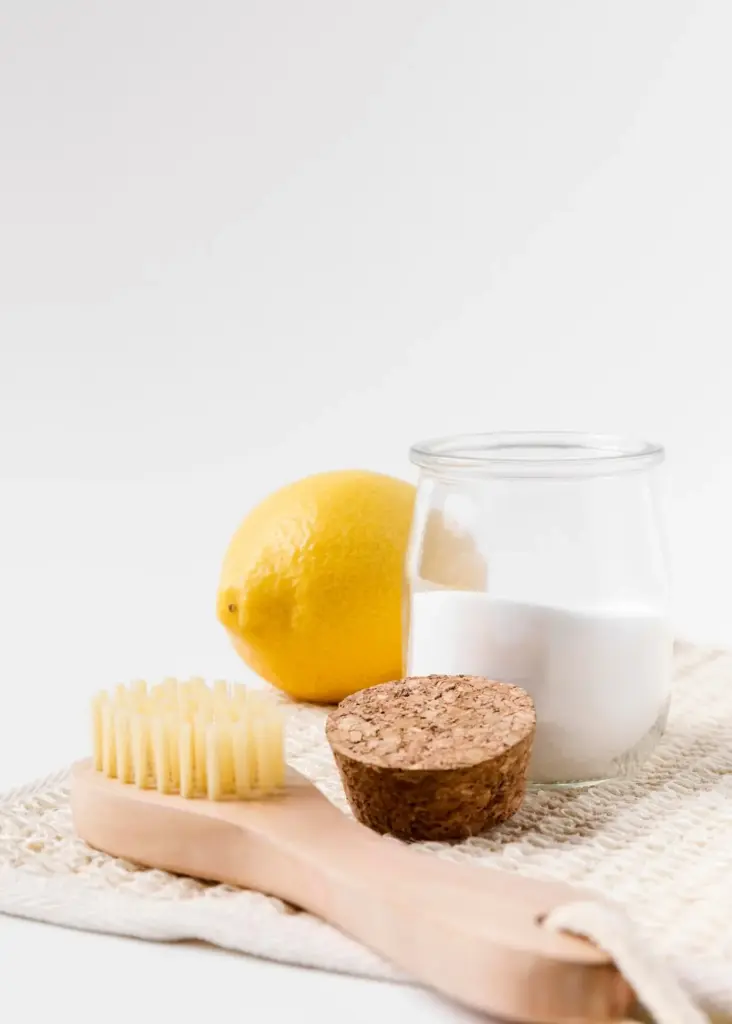
Streamlining the bathroom without packaging turns hectic mornings into calmer beginnings. We explore solid shampoos, refillable deodorants, stainless safety razors, and floss in glass vials, plus storage tricks that keep counters serene, drains clear, and travel kits ready without disposable minis or mystery samples.
Cleaning the House with Refill Logic
A smart cleaning caddy uses concentrates and reusable bottles, reducing cost and emissions while simplifying chores. We test dilution ratios, material compatibility, and scent strength, then share weekend checklists and family systems that keep surfaces sparkling without a parade of crinkly wrappers or empties.
Concentrates and DIY, Sensibly
Homemade cleaners can shine when you respect chemistry and label precisely. We provide safe baseline formulas, note what never to mix, and discuss sourcing bulk ingredients ethically, so every spray, scrub, and mop delivers results while avoiding disposable packaging and risky improvisation.
Cloths, Mops, and Microfibers Managed Well
Wash reusable cloths separately, avoid fabric softeners, and air-dry to preserve absorbency. Track sets by room with color coding, repair edges promptly, and retire worn pieces into garage duty, maintaining hygiene and performance without endless rolls of paper towels or plastic-wrapped wipes.
Fragrance with Transparency
If scent matters, choose suppliers that disclose allergens, IFRA limits, and sourcing. Test on small surfaces, ventilate thoroughly, and store in amber bottles, balancing comfort with health while rejecting mysterious blends in disposable packages that clutter drawers and complicate recycling efforts.
Repair, Reuse, and Community Momentum

Sharpen, Patch, Mend
Keep a small repair kit ready, schedule maintenance days, and track parts for appliances. We outline blade angles, patch choices, and adhesive types, making fixes approachable and satisfying, while extending lifespans so replacement packaging and shipping are deferred for years, sometimes decades.
Neighborhood Refill Maps and Co-ops
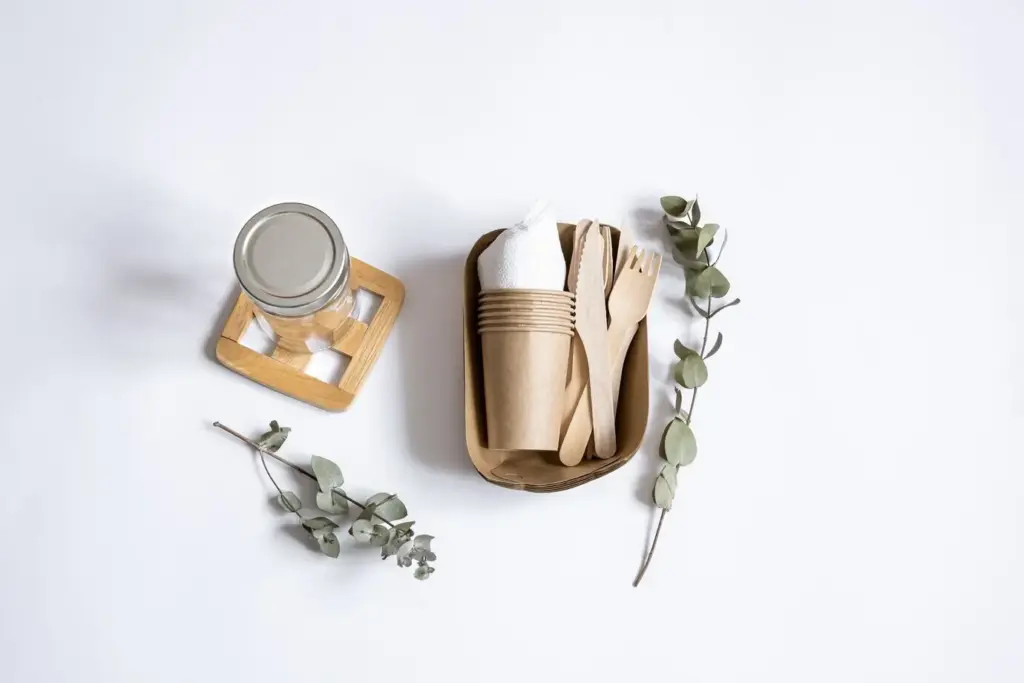
Create a shared map of refill stations, bulk stores, and donation points, updated by locals who know real stock levels and hours. Cooperative orders reduce transport emissions, unlock discounts, and keep rare items available, strengthening resilience while keeping packaging footprints remarkably small and steady.

Share Your Wins and Lessons
Tell us what worked, what flopped, and which refill counters treated you well. Post photos, leave comments, and subscribe for monthly experiments and checklists, so we learn together, avoid pitfalls, and celebrate homes that feel lighter, cleaner, and genuinely easier to live in.
All Rights Reserved.